user-research
product-design
brand-identity
strategy
design-system
ai-systems

Project Type
Digitalisation of hospital processes
Technology
Claude Code Figma Design Tokens ZeroHeight
The hospital 2.0 is driven by digitalisation and AI integration - sqior is in the forefront to make processes in hospital digital and AI-first
Digitalisation of hospital processes to improve precision & quality of patient treatments
Brief
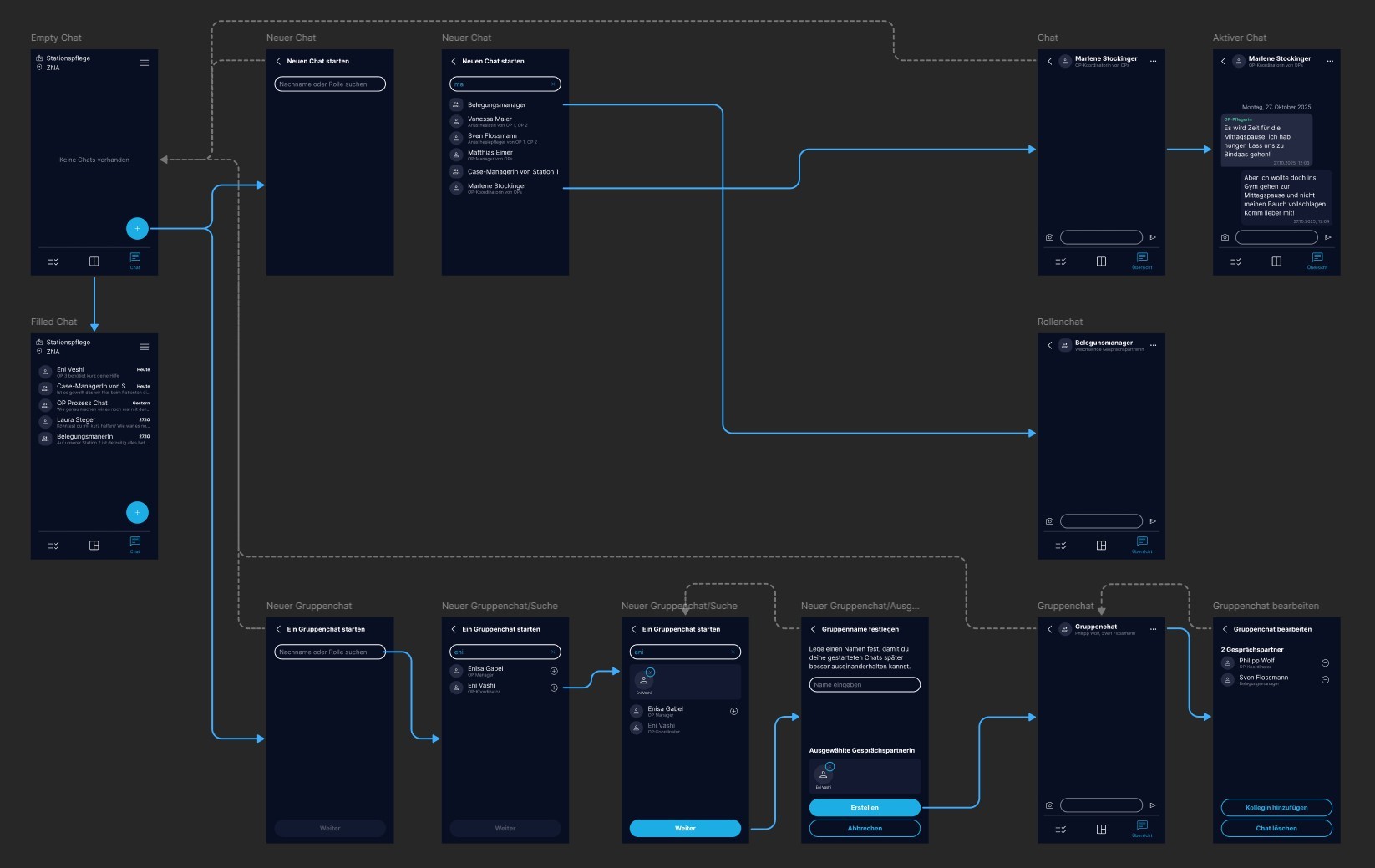
Challenge
Final Solution
Making hospital 2.0 a reality
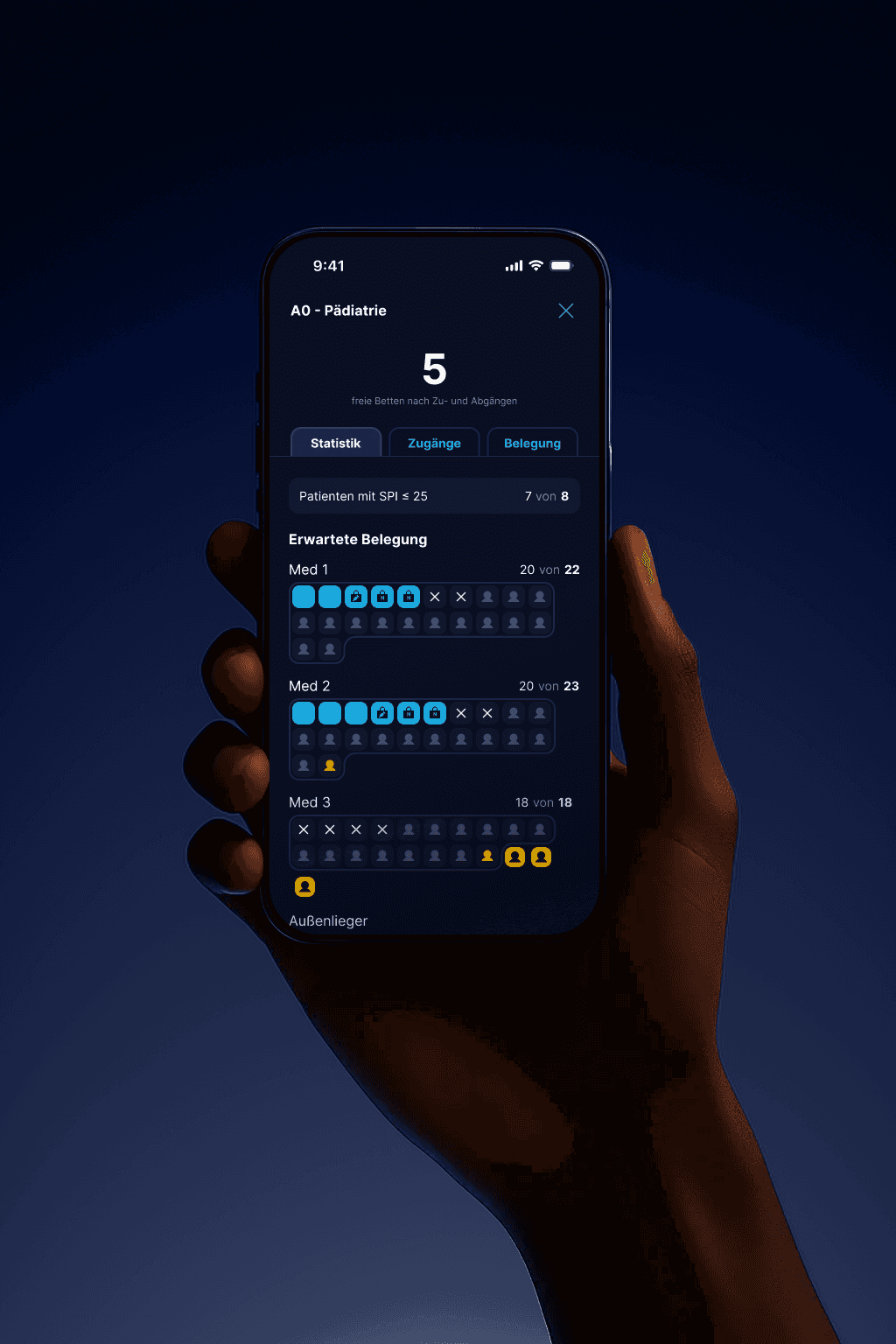
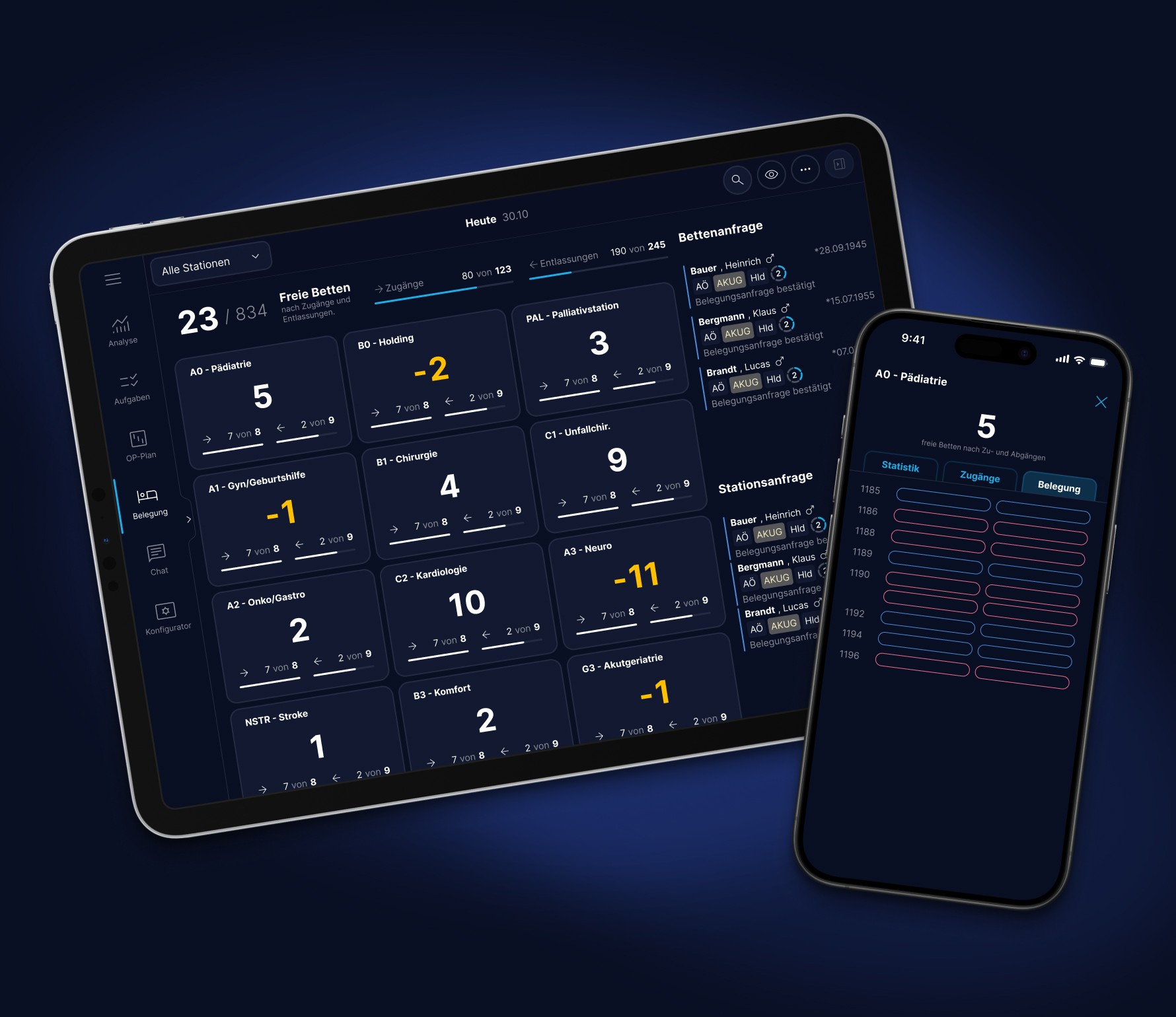
Sqior offers hospitals worldwide the perfect foundation for digitising their surgical procedures, patient management and related processes. As shown below, the platform places particular emphasis on details and data that are relevant to hospitals in terms of patient management and current bed occupancy. AI assists with data analysis and enables hospital management to create their own dashboards and share them with staff. In the past, much of this data still had to be calculated using Excel or even on paper. Defining the user experience (UX) for an AI was also something new for me – not only finding ways to inform the user of a relevant status, but also defining the interactions involved in using the dashboard.

Results
A learning, but maybe not the end
When I joined sqior, I had to setup a lite design system that includes design tokens. We brought these tokens not only into the front end, but further more using Claude Code to enable anyone at sqior to do vibe coding. Also, for concepts and design ideas, we included hospitals and their stuff in the discussion before the final designs went into production. This experience was fullfilling but also gave me a lot of opportunity to learn hosital processes first-hand.


Credits
We at sqior bring not only the customer in focus and in the center of our conversation, but also teamwork. Our goal was to focus on quality and efficiency and also by including our customers - the people who work in hospitals daily, into the discussions.